Slab Leak Repair in Bakersfield, CA
Why Slab Leaks Are So Common in Bakersfield and Kern County
Bakersfield and the surrounding Kern County area have a combination of conditions that make slab leaks more common here than in most parts of California.
A large portion of homes in Bakersfield and Oildale were built between the 1950s and 1980s. Those homes were plumbed with copper pipes running beneath the concrete foundation. After 40 to 60 years, those pipes corrode, shift, and eventually fail.
Bakersfield summers regularly exceed 110 degrees. That extreme heat causes pipes to expand and contract more than in milder climates. When a pipe does not have enough room to move freely beneath the slab, it rubs against the concrete or surrounding gravel. That constant abrasion wears the pipe wall down from the outside while hard water corrosion works on it from the inside.
The soil in the San Joaquin Valley also expands and contracts with the heat and drought cycles this area sees every year. That ground movement puts stress on the pipes embedded beneath the foundation. Over time that stress causes small fractures that turn into active leaks.
Top Grade Plumbing holds California C-36 Plumbing Contractor License #1123262. Edgar Sanchez has handled slab leak detection and repair in Bakersfield and Kern County and is bonded and insured.
Warning Signs You May Have a Slab Leak
Slab leaks are underground so you usually cannot see them directly. These are the signs that show up first.
Your water bill went up for no clear reason.
If your usage has not changed but the bill has, water is going somewhere. A slab leak runs constantly and often shows up on the meter before you notice anything else.
You hear running water when everything is off.
Turn off all fixtures and appliances in the house. If you can still hear water moving, it is likely running somewhere under the slab.
Hot spots on the floor.
Hot spots on the floor. Roughly 80 percent of slab leaks occur on the hot water line rather than the cold. If a section of your floor feels warm to the touch, particularly on tile or concrete, that is one of the most telling signs of an active hot water slab leak. The same hard water conditions that affect your water heater service are at work on the pipes beneath your slab.
Cracks in the walls or flooring.
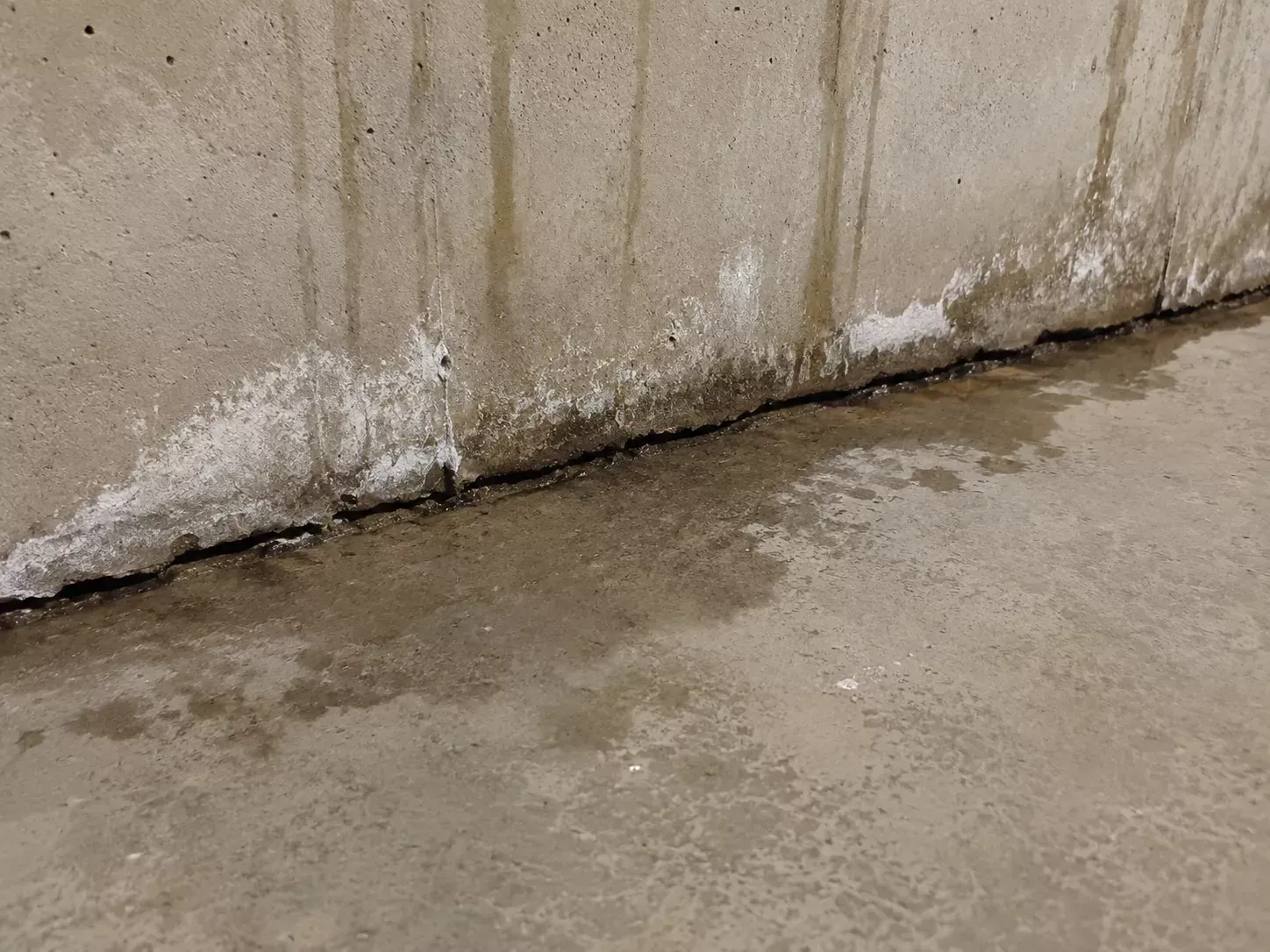
Water saturating the soil beneath a slab causes the foundation to shift. That movement shows up as cracks in drywall, tile, or the slab itself.
Damp or soft spots on the floor.
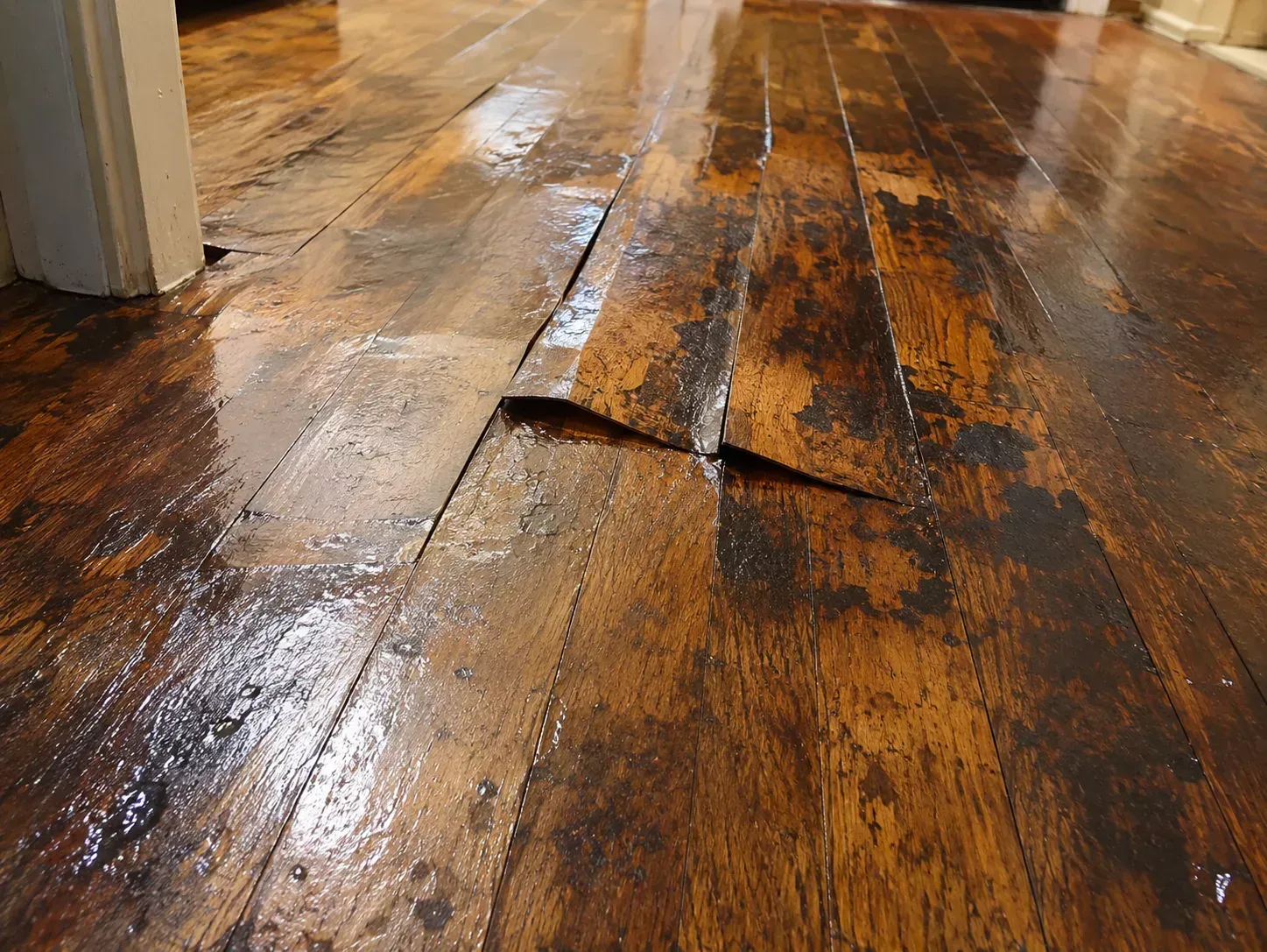
Moisture working its way up through the slab will soften wood floors or cause tiles to loosen over time.
Mold or mildew smell with no visible source.
A slow slab leak creates ongoing moisture that leads to mold growth inside the walls or under the flooring.
Low water pressure throughout the house.
If pressure has dropped at multiple fixtures at once and nothing else has changed, water may be escaping before it reaches your taps.
How We Detect Slab Leaks Without Unnecessary Damage
The single biggest mistake in slab leak repair is cutting before you know exactly where the leak is. Edgar does not do that.
He starts by pressure testing the line and isolating the hot and cold sides separately. Since the majority of slab leaks are on the hot water side, that isolation step tells him immediately where to focus. From there he uses equipment such as acoustic listening devices and electronic ground microphones to pinpoint the exact location of the leak through the concrete before anything is opened up.
In some cases a safe tracer gas can be introduced into the line. The gas escapes at the leak point and detection equipment identifies exactly where it surfaces. That gives an additional layer of confirmation before any cutting begins. Edgar shows you what the detection process found before he quotes any repair work. If the diagnosis requires further assessment, that is part of our leak detection and repair process from the start.
What the Repair Process Looks Like
Once the leak is located, Edgar walks you through the repair options. There are three main approaches and the right one depends on where the leak is, how much of the pipe has deteriorated, and the overall condition of the plumbing.
Direct access repair is the most common approach for a single isolated leak. It involves cutting through the concrete at the confirmed location, exposing the damaged section of pipe, replacing it, and pressure testing the line before closing everything back up. After testing, the concrete is poured and finished.
Pipe rerouting runs a new water line through the walls or attic instead of repairing the pipe beneath the slab. This is often the better choice when the pipe has deteriorated along a longer section or when the leak location makes concrete access particularly difficult.
Epoxy pipe lining coats the inside of the existing pipe with an epoxy compound that seals the leak without cutting into the slab at all. This approach works well for certain pipe conditions and locations.
Edgar will tell you which option makes the most sense for your specific situation and why. If leaks are appearing repeatedly in different spots, whole house repiping may make more financial sense than continuing to repair the slab one section at a time. If you have an active slab leak causing immediate damage, he takes same day emergency plumbing calls.
Why Accurate Diagnosis Matters Before Any Cutting Starts
Cutting concrete in the wrong spot is expensive and disruptive. It also does not fix the problem.
Edgar has been called to Bakersfield homes where another company already cut the slab and either did not find the leak or found it in the wrong place. That means the homeowner paid for concrete work twice. Getting the detection right the first time is not optional.
Electronic detection equipment narrows the leak location before a single cut is made. That is how you protect your flooring, your foundation, and your budget.
Real Slab Leak Job We Handled in Bakersfield
A Bakersfield homeowner called with a confirmed slab leak and a separate side leak that also needed attention. Edgar handled both in the same visit.
The work included cutting through the concrete at the confirmed leak location, exposing and repairing the damaged pipe, installing a new section, and testing the line thoroughly before closing anything up. The concrete was then poured and finished clean. The customer noted the team was professional, efficient, and clearly knew what they were doing. Both leaks were resolved in one visit.
Frequently Asked Questions
Are slab leaks more common on the hot or cold water line?
Hot water lines account for the majority of slab leaks, roughly 80 percent. The combination of heat, pressure, and hard water mineral corrosion takes a heavier toll on hot water pipes over time. A warm spot on your floor is one of the most reliable early indicators.
Will my homeowner's insurance cover slab leak repair?
Many homeowner policies cover the cost of accessing the leak but not always the pipe repair itself. Check your policy and call your insurer before work starts. Edgar can document the damage if your insurer needs it.
How long does slab leak repair take?
A direct access repair on a single leak typically takes one day. If the concrete needs time to cure before finishing work is done, a second visit may be needed. Edgar will give you a realistic timeline before starting.
Does hard water make slab leaks more likely?
Yes. The mineral content in Bakersfield water corrodes copper pipes faster than in areas with softer water. The same hard water conditions that damage your water heater service life are at work on the pipes under your slab.
Can a slab leak cause foundation damage?
It can over time. Water saturating the soil beneath the foundation causes it to shift and settle unevenly. Getting the leak repaired promptly limits that risk significantly.
Are you licensed and insured?
Yes. C-36 Licensed Plumbing Contractor, License #1123262, bonded and insured.

Areas We Serve
We handle slab leak detection and repair throughout Bakersfield, Oildale, and the surrounding communities in Kern County. If you are not sure whether we cover your area, contact us and we will let you know.
Suspect a Slab Leak? Call Edgar Now.
The longer a slab leak runs, the more it costs to fix. Call Edgar directly and he will get to you fast. C-36 Licensed · Bonded · Insured · License #1123262
Contact Us Today
We’d love to hear from you. Call us now at (661) 599-4718 or send a message using the form below we’ll get back to you as soon as we can.
Contact Us
We will get back to you as soon as possible.
Please try again later.